 Le Roch Lab
Methods in Molecular Biology
Methods in Molecular Biology2021
Chromosomes Conformation Capture Coupled with Next-Generation Sequencing (Hi-C) in Plasmodium falciparum
Gupta MK, Lenz T, Le Roch KG
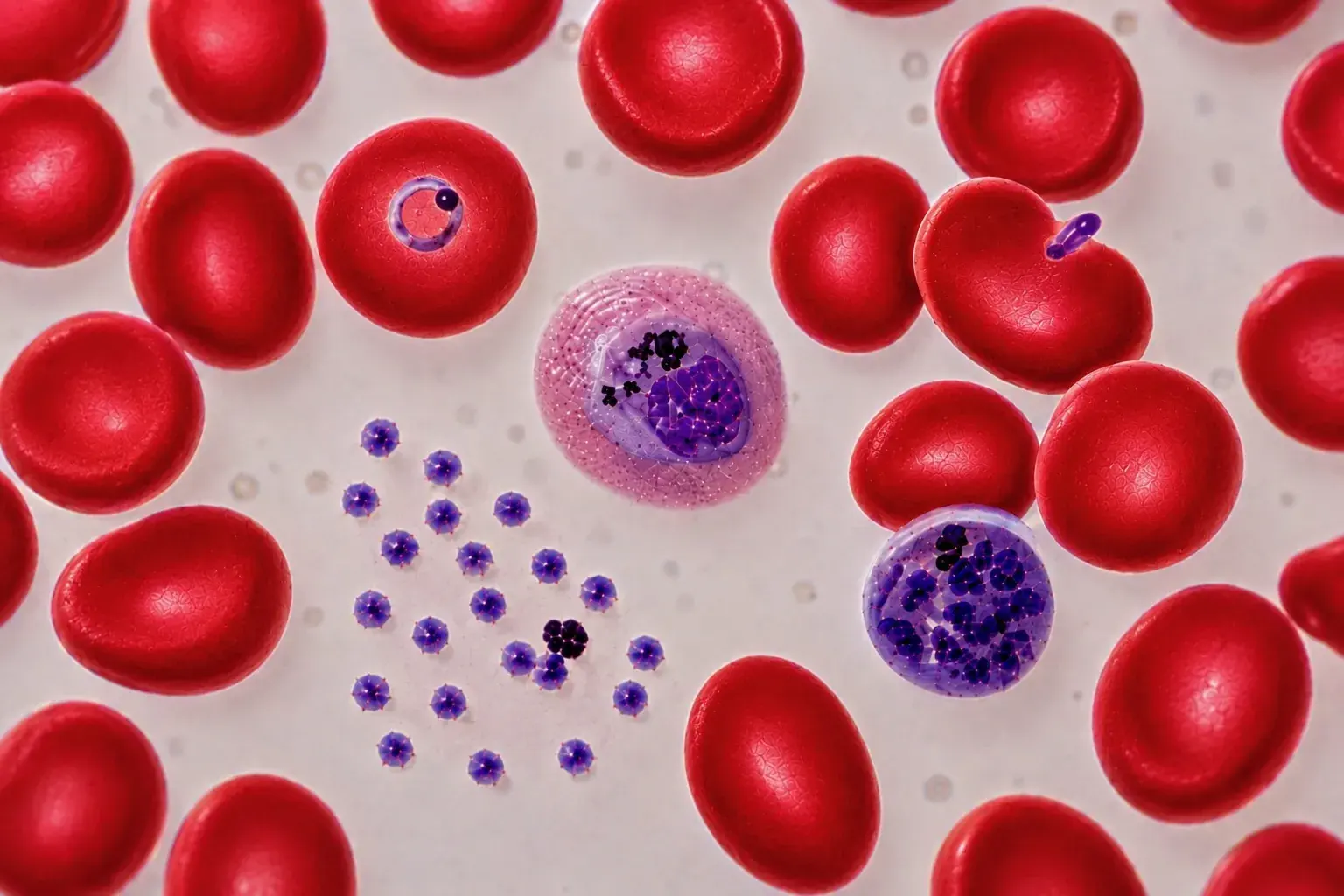
Research
The question
Using large genomic data sets and machine learning models to better understand gene regulation in malaria parasites.
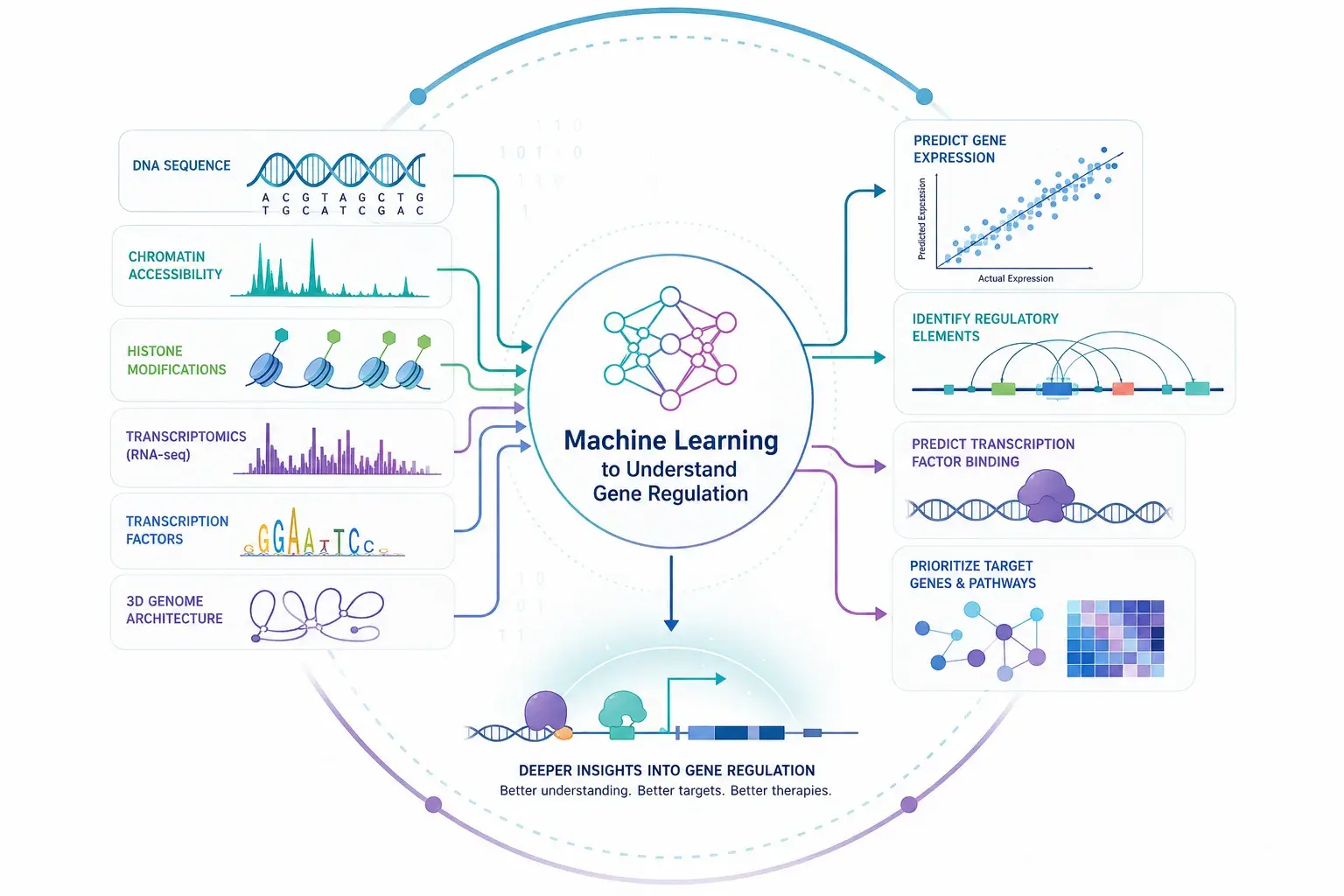
Every assay the lab runs produces a genome-wide table, and none of them explains regulation on its own. The question is what happens when they are read together: whether sequence, accessibility, histone marks and 3D contacts taken jointly predict when a gene is expressed.
We build the pipelines and models that make that possible — 3D genome reconstructions from Hi-C contact maps, nucleosome-landscape analysis that has surfaced genes the annotation missed, and machine learning trained across data types to predict expression and prioritise regulatory elements. The methods are developed on Plasmodium and carry over to the other apicomplexans the lab works on.
How we look
Modelling & analysis
Data types
Platforms
Gupta MK, Lenz T, Le Roch KG
Cook KB, Hristov BH, Le Roch KG, Vert JP, Noble WS
Read DF, Cook KB, Lu YY, Le Roch KG, Noble WS
Lu XM, Bunnik EM, Pokhriyal N, Nasseri S, Lonardi S, Le Roch KG
Polishko A, Bunnik EM, Le Roch KG, Lonardi S