 Le Roch Lab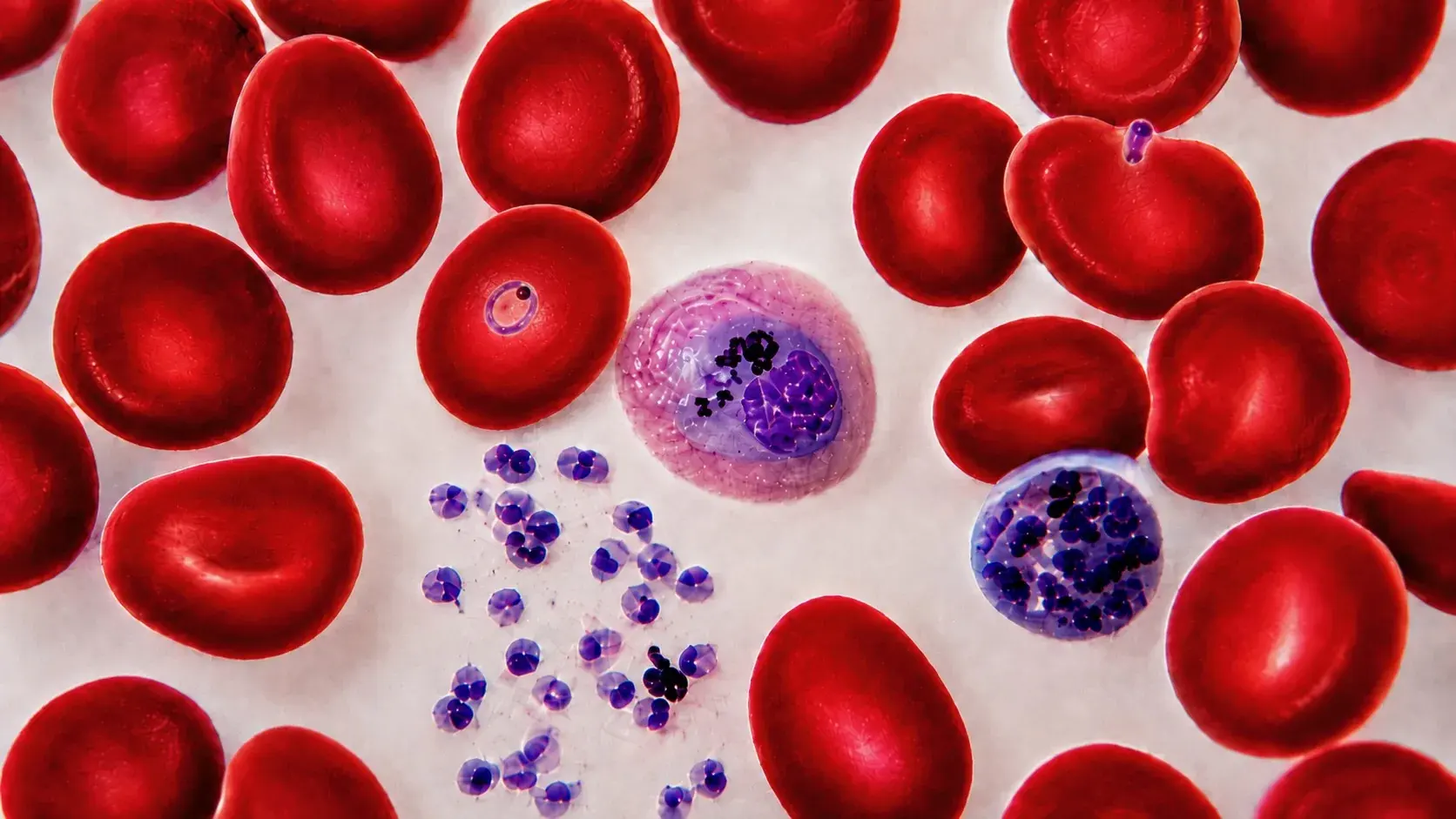
Our Research
Dissecting the molecular machinery of the malaria parasite.
Our research
The goal of this research
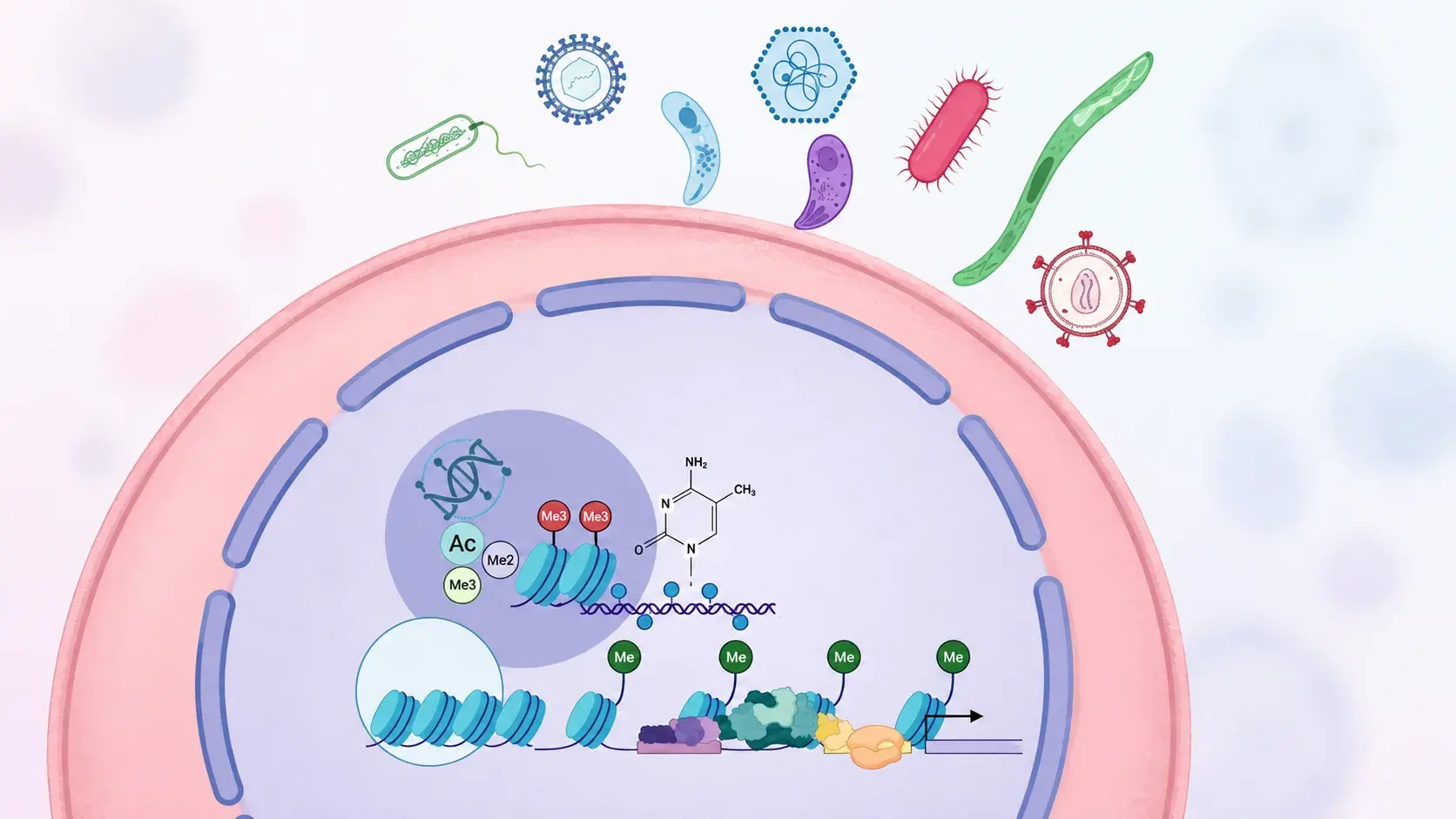
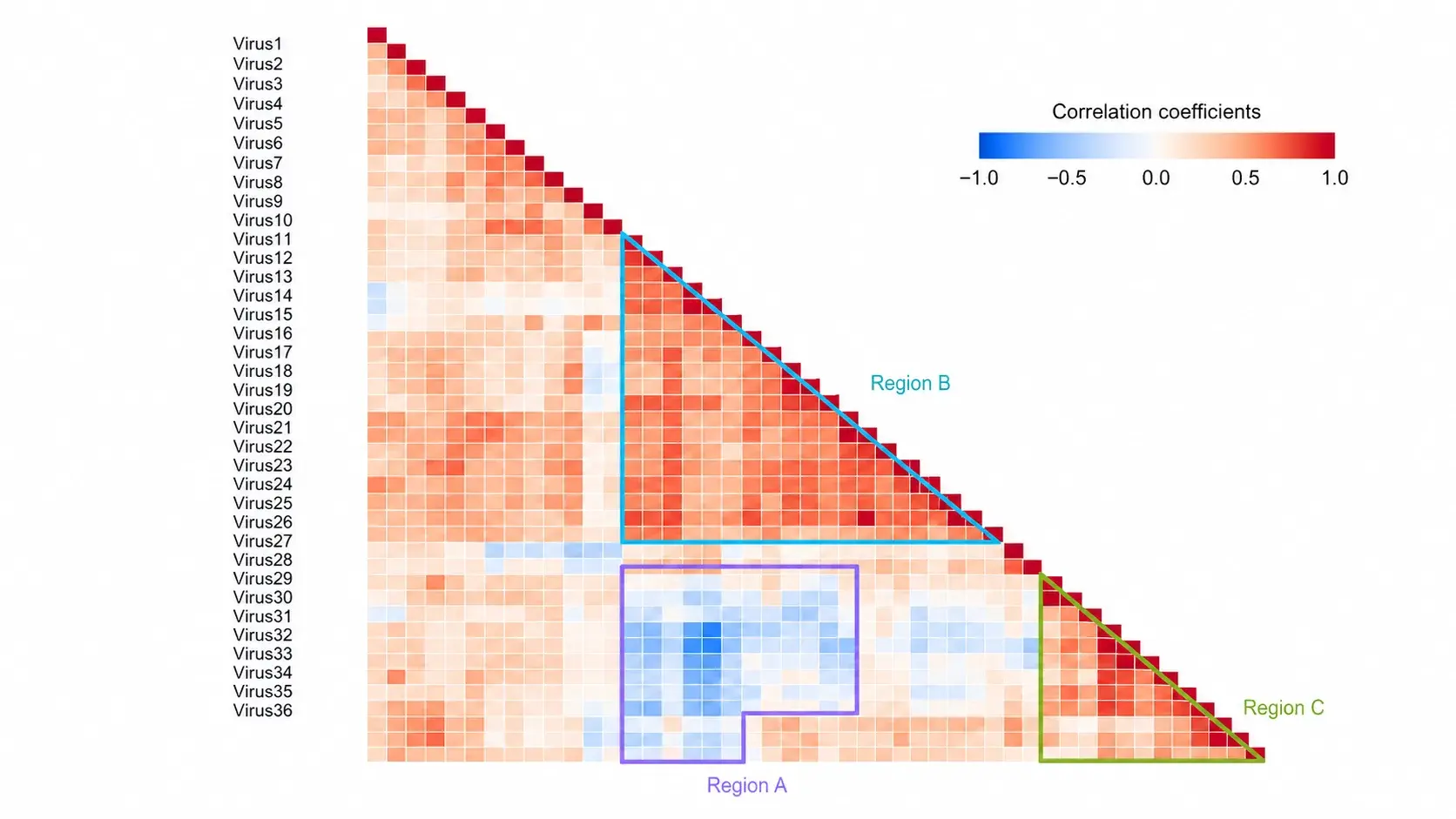
The goal of my research is to identify key factors that regulate the life cycle of apicomplexan parasites. Apicomplexa are a phylum of diverse obligate intracellular parasites, including Plasmodium (the causative agent of malaria), Toxoplasma gondii (an opportunistic pathogen in immunocompromised patients), and Babesia (which causes hemolytic disease in humans and cattle). Some of these parasites remain among the deadliest infectious agents in the world. Understanding the molecular mechanisms controlling their development, replication, and transmission is essential for creating novel therapeutic strategies to disrupt their continuous infectious cycles.
Research areas
Where our work concentrates
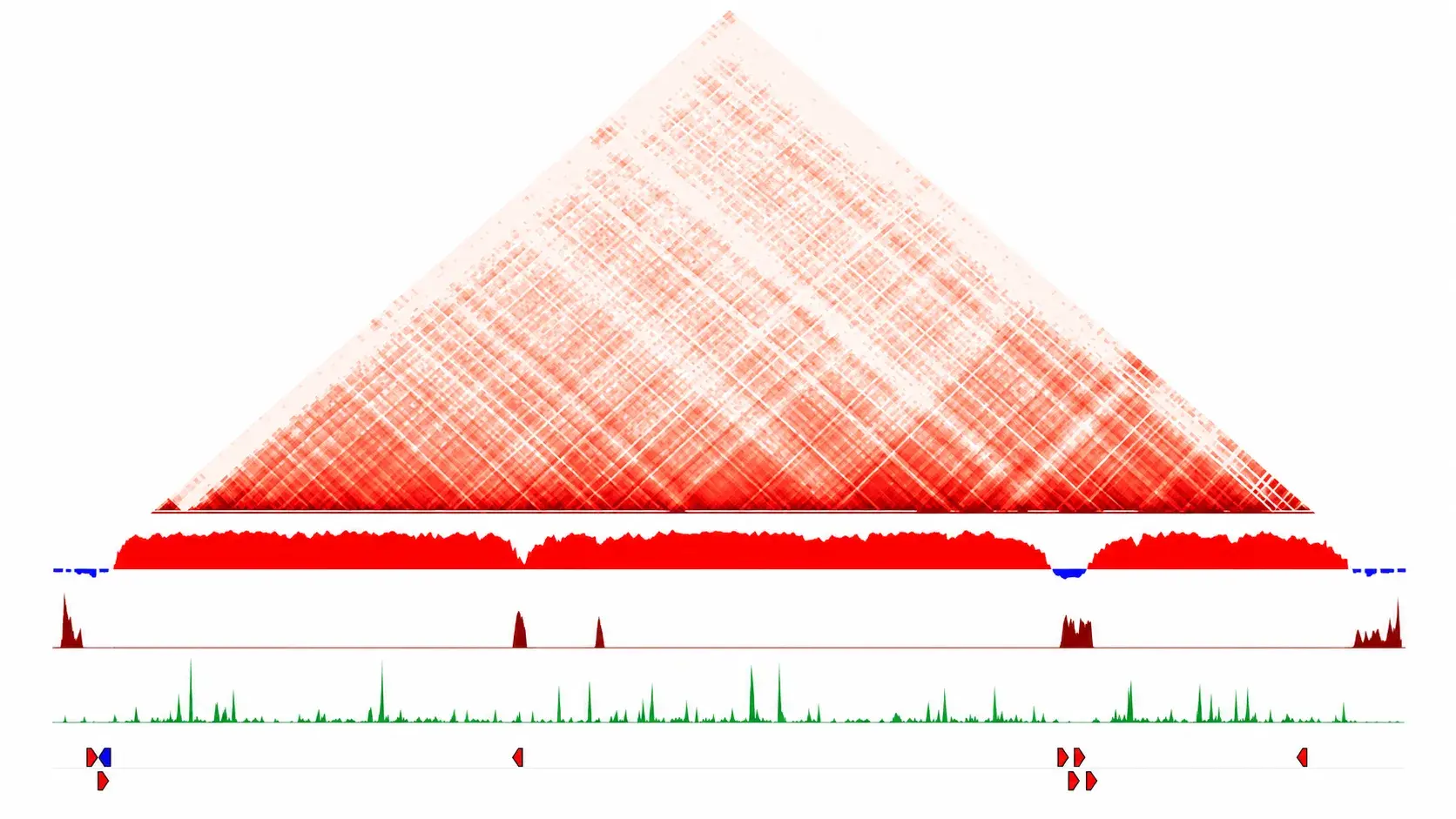
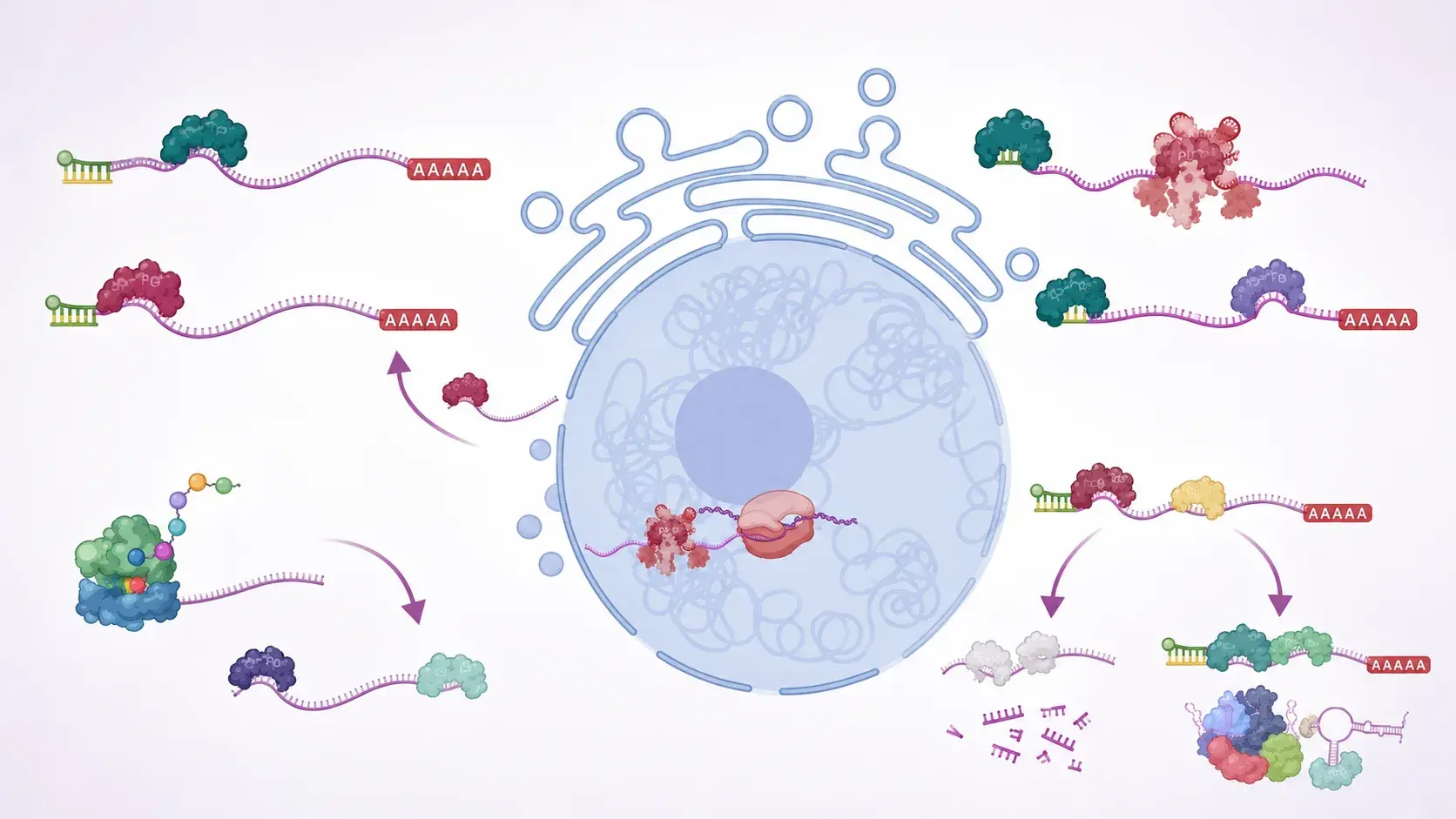
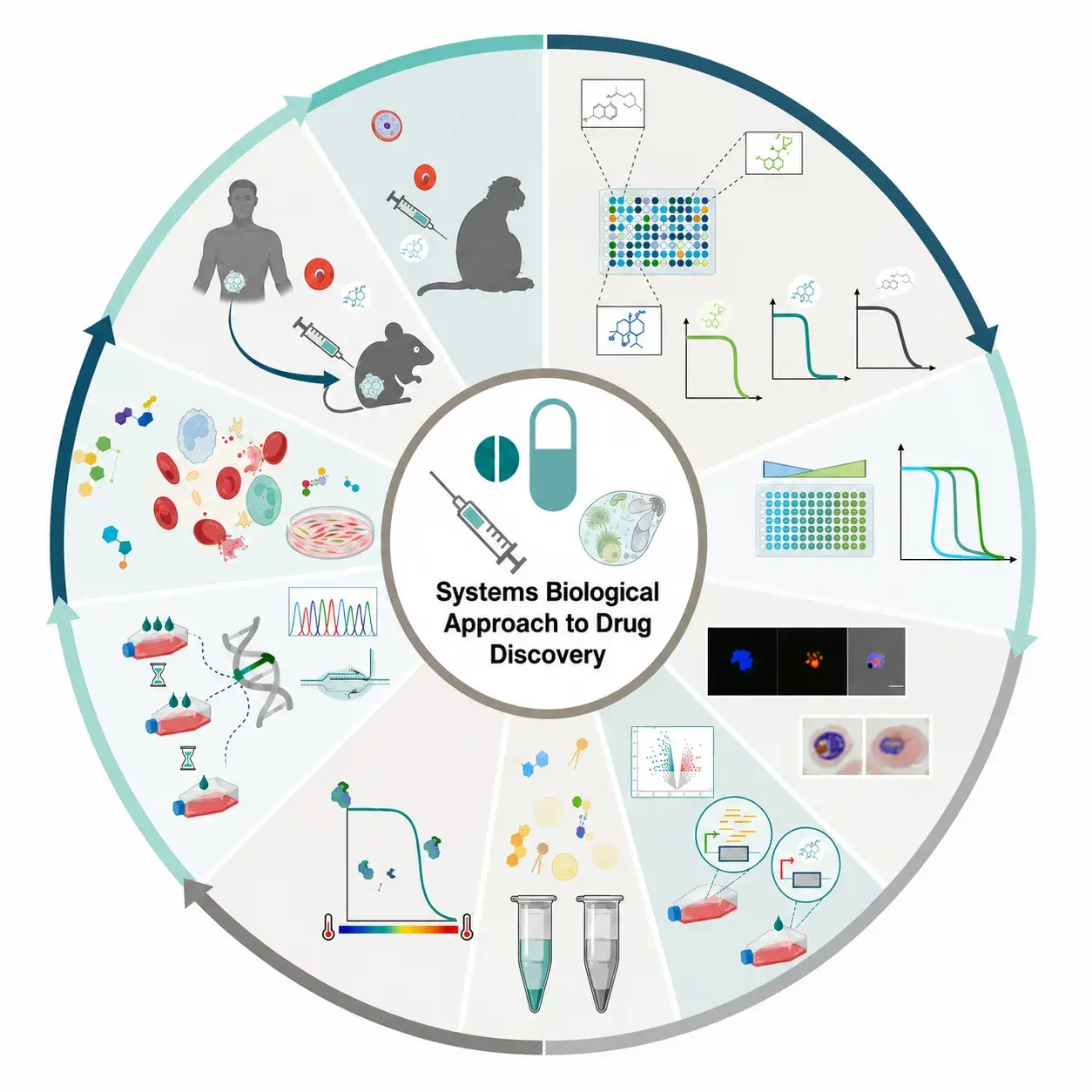
Each programme feeds the search for new therapeutic strategies. Collaborating labs are named on the area pages, where there is room to say what they contribute.
Organisms & platforms
What we work on, and what we work with
Organisms
- Plasmodium
- Toxoplasma gondii
- Babesia
Plasmodium, the causative agent of malaria · Toxoplasma gondii, an opportunistic pathogen that can cause severe disease in immunocompromised individuals · Babesia, which causes hemolytic disease in humans and cattle.
Sequencing platforms
- Oxford Nanopore
- Illumina
- PacBio
Genome editing
- CRISPR
Assays & analysis
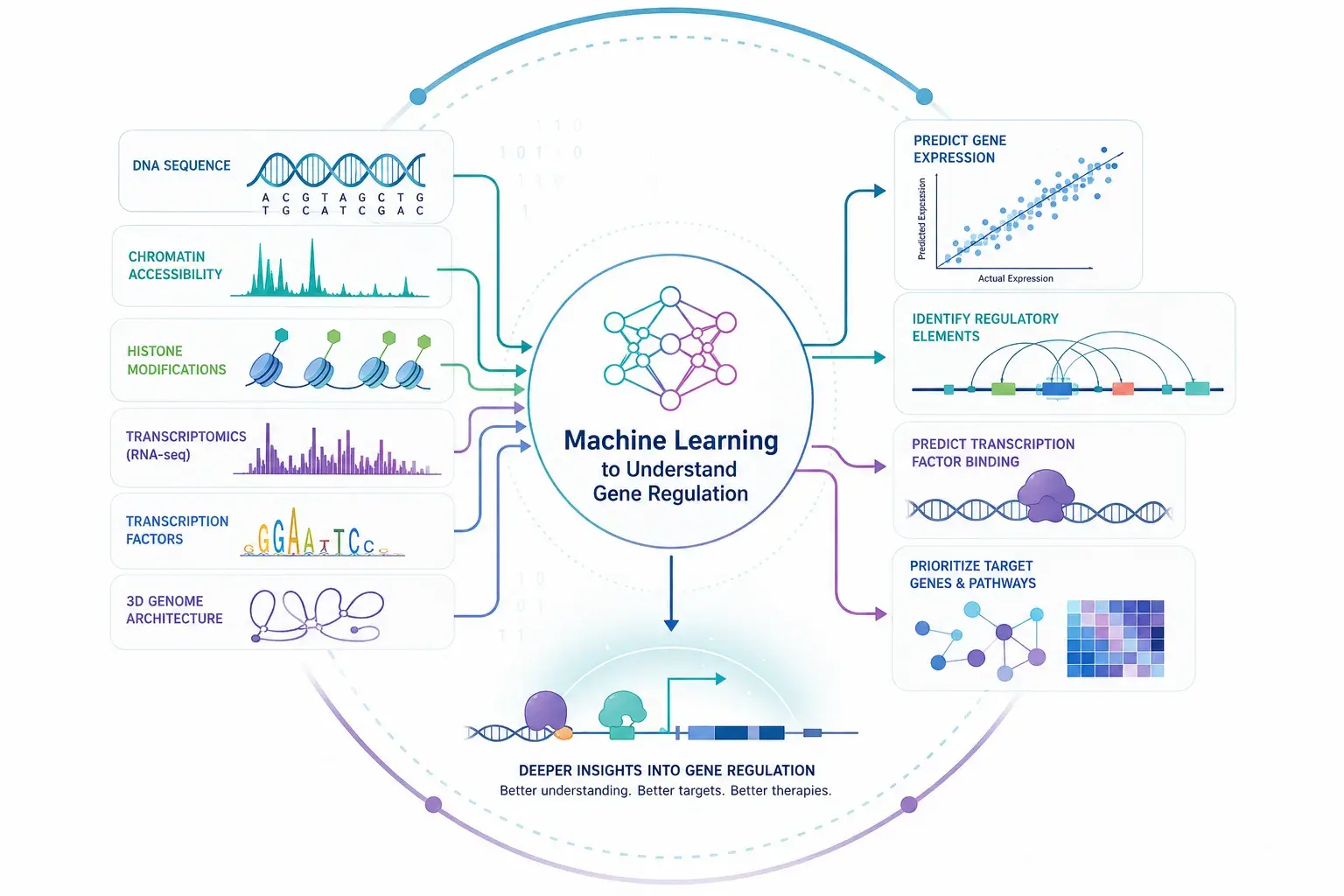
- RNA-seq
- ChIP-seq
- CUT&Tag
- eCLIP-seq
- ChIRP-seq
- Hi-C
- BS-seq
- MeDIP-seq
- Proteomics
- MudPIT mass spectrometry
- Metabolomics
- High-content confocal
Collaborate with the lab
Bring us a question, a cohort, or a dataset
We work with field sites, clinical teams and computational groups on parasite genomics — from sample collection through to an assembled answer. If your work touches Plasmodium, we'd like to hear about it.